
Ledger.com/Start® | Getting started® — Ledger Support
Ledger.com/start is a useful starting point for understanding Ledger hardware wallet initialization, Ledger Live setup, account creation, and responsible digital asset management.
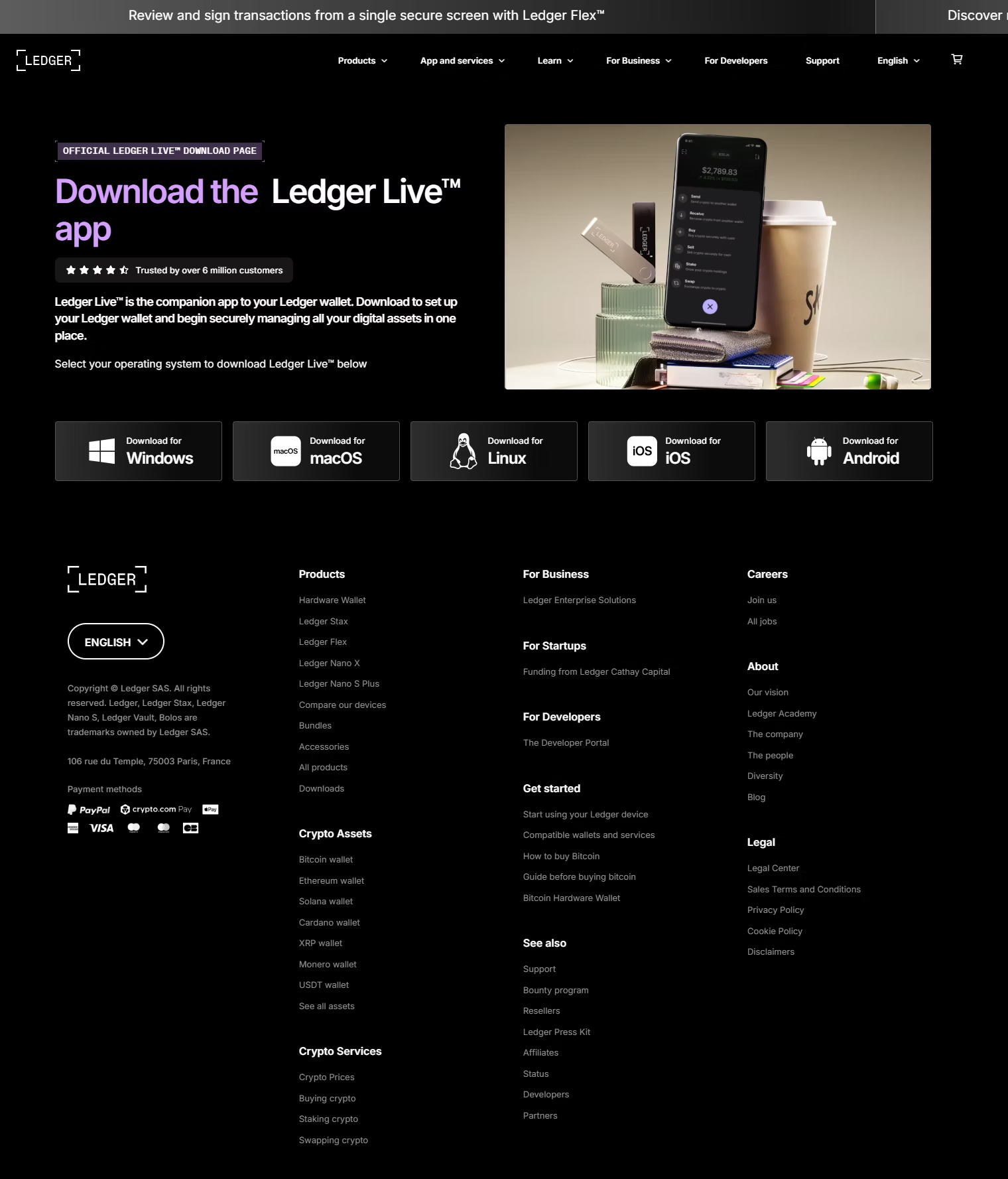
Ledger.com/start: A Complete Guide to Ledger Wallet Setup and Security
Setting up a hardware wallet is an important process for anyone who wants to manage cryptocurrency with greater control over their security. The process involves more than plugging a device into a computer. Users need to understand device initialization, wallet software, access protection, recovery information, account management, and transaction verification.
Ledger.com/start can be used as a starting point for people learning about the Ledger wallet setup process. The setup experience helps users understand how a Ledger hardware wallet is prepared for use and how it can work with compatible wallet software.
This guide covers the major considerations involved in setting up and using a Ledger wallet, from preparing the device and protecting recovery information to verifying transactions and avoiding common cryptocurrency security threats.
What Is Ledger.com/start?
Ledger.com/start refers to the starting point associated with setting up and onboarding a Ledger hardware wallet. Depending on the device model and software environment, the setup process may include connecting the device, configuring security settings, installing or using compatible software, and preparing the wallet for supported cryptocurrency accounts.
Setup instructions can change as hardware models and software versions evolve. Users should therefore follow the instructions applicable to their particular device instead of relying on screenshots or procedures created for a different version.
A careful setup can establish better security habits from the beginning and make future wallet management easier to understand.
Why Hardware Wallet Security Matters
A hardware wallet is designed to provide a dedicated environment for sensitive wallet operations. Instead of relying entirely on a computer or smartphone to approve cryptocurrency transactions, supported operations can require confirmation through the physical device.
This additional layer can help reduce certain risks associated with keeping sensitive wallet credentials exposed on an internet-connected device.
However, hardware security does not eliminate every threat. Phishing pages, malicious applications, fake support accounts, social engineering, stolen recovery information, and incorrect transaction approvals can still put digital assets at risk.
For that reason, secure wallet management depends on both the technology and the user's behavior.
Preparing for Ledger Wallet Setup
Before beginning the Ledger wallet setup process, choose a private and comfortable environment where you can carefully review each instruction.
Use a trusted computer or compatible device and avoid starting the setup while distracted or under pressure.
Only obtain wallet software and setup instructions from legitimate Ledger resources. Avoid random download pages, unsolicited links, advertisements, social media messages, and unknown individuals offering installation assistance.
It is also useful to keep the physical device nearby and ensure that you have enough time to complete the process without rushing through security-related screens.
Connecting and Configuring the Ledger Device
After locating the appropriate setup instructions, connect the Ledger hardware wallet according to the guidance for your specific model.
Connection methods and available menus may differ between devices. Some instructions that apply to one generation may not match another device, so always pay attention to what appears on your own hardware wallet.
When the device displays an instruction or confirmation request, read it carefully.
Do not approve an operation simply because a computer application is asking you to continue. The physical device provides an important opportunity to inspect security-sensitive information before approving supported operations.
Completing the Initial Wallet Setup
During initialization, the Ledger device may guide you through several security and configuration steps.
Depending on the device and setup path, these may include establishing device access protection, preparing the wallet environment, and generating recovery information.
Take your time during this stage. A hardware wallet is intended to protect important cryptocurrency credentials, so rushing through initialization can lead to avoidable mistakes.
If an instruction is unclear, stop and consult trusted documentation rather than relying on advice from an unknown person online.
Protecting Your Recovery Phrase
Recovery information is one of the most important parts of a hardware wallet setup.
A recovery phrase can be used to restore access to a wallet through an appropriate compatible recovery process if the original hardware device becomes unavailable.
Because of this, the recovery phrase should be treated as extremely sensitive information.
Write down the recovery information using the method provided during setup and store the backup somewhere secure and private.
Do not photograph it, upload it to cloud storage, save it in an email account, place it in a messaging application, or store it in an ordinary digital notes application.
Most importantly, never provide your recovery phrase to a website, stranger, or supposed support representative.
Why the Recovery Backup Requires Extra Care
The hardware wallet and recovery phrase serve different purposes.
The physical device can be used for supported wallet operations and transaction approvals, while the recovery information can provide a method for restoring wallet access under appropriate circumstances.
This makes the recovery backup a critical security responsibility.
If another person obtains the complete recovery phrase, they may potentially be able to restore the associated wallet elsewhere. This is why users should treat recovery information differently from ordinary account passwords.
A legitimate support interaction should not require you to reveal your complete recovery phrase.
Setting Up Device Access Protection
During the Ledger hardware wallet setup process, users may be asked to create a PIN or another access-control method depending on the device.
Choose a code that is difficult for another person to guess and avoid combinations based on easily discoverable personal information.
Never share the device access code with someone else.
Physical protection is also important. Store the hardware wallet somewhere controlled and avoid leaving it unattended in locations where unauthorized people could access it.
Strong physical habits complement the security features built into the device.
Using Compatible Ledger Software
Once the hardware wallet has been initialized, compatible Ledger software can provide a convenient interface for managing supported cryptocurrency accounts and assets.
Depending on the available features, users may be able to review account information, monitor balances, organize supported assets, install required blockchain applications, and examine transaction activity.
It is important to distinguish the software interface from the physical hardware wallet.
The application can make wallet management easier, but supported transaction approvals may still require confirmation through the hardware device.
Managing Accounts and Assets Carefully
Users who hold multiple cryptocurrencies may work with several accounts.
Organizing those accounts clearly can make everyday management easier and reduce mistakes when selecting an account for receiving or sending funds.
Before completing a transaction, confirm the asset, account, destination, network, and amount.
Clear account names can also be useful when several accounts have similar purposes.
Receiving Cryptocurrency Safely
Receiving cryptocurrency still requires careful verification.
Before sharing an address, confirm that it belongs to the intended account and that it is appropriate for the asset and network being used.
Different blockchain networks can sometimes produce addresses or formats that appear similar. Choosing an incompatible network can create unnecessary problems.
For unfamiliar transfers, users may consider testing with a small amount before sending a larger balance.
Reviewing Transactions Before Confirmation
Transaction verification is an important part of responsible hardware wallet usage.
Before approving a transaction, carefully review the destination address, asset, amount, network information, and applicable fees.
Do not rely only on the information shown on your computer or smartphone.
When the physical Ledger device displays transaction details, compare them with the transaction you intended to make.
If the information does not match, stop the transaction and investigate before confirming anything.
Recognizing Phishing and Fake Support
Cryptocurrency users are frequent targets of phishing attacks.
Fraudulent websites and messages may imitate legitimate wallet services and attempt to obtain recovery phrases, PINs, passwords, or other confidential information.
Be cautious of messages claiming that your wallet has been suspended, your account requires urgent verification, or your assets will be lost unless you act immediately.
Urgency is commonly used to discourage careful verification.
Instead of following unexpected wallet-related links, independently navigate to a trusted Ledger resource.
Never enter a recovery phrase into a website simply because a page claims it is required for synchronization, verification, validation, or account recovery.
Keeping the Wallet Environment Maintained
Compatible wallet software and the device environment should be kept maintained according to legitimate instructions.
When an update or firmware process is presented, verify its source before continuing.
Avoid applications, browser extensions, firmware files, or downloads provided through unfamiliar websites.
Before significant maintenance, make sure your recovery backup has already been recorded correctly and remains safely accessible to you.
Common Ledger Setup Mistakes
Several mistakes can create unnecessary security problems during wallet setup.
Users may incorrectly record recovery information, store it digitally for convenience, download counterfeit wallet software, or accept help from unknown individuals.
Another common mistake is approving transactions without checking the information displayed on the physical device.
Avoid making important wallet decisions when someone is pressuring you to act quickly.
If an unfamiliar person asks for your recovery phrase, PIN, password, or remote access, stop the interaction immediately.
Verifying Information on the Hardware Wallet
One of the useful security practices associated with hardware wallet usage is checking important information directly on the physical device.
Before approving a transaction, compare the information shown by the hardware wallet with your intended transaction.
If an address, amount, or other significant detail appears different, do not confirm it.
This additional review can help identify mistakes and may provide an opportunity to detect suspicious transaction details before authorization.
Building Better Ledger Security Habits
Completing Ledger.com/start is only the beginning of responsible wallet management.
Security should continue during everyday use. Keep the physical device protected, safeguard the recovery backup, use trusted software, verify transactions, and remain cautious with unexpected messages.
Do not allow urgency to replace careful decision-making.
Whenever a website, message, or person asks for sensitive wallet information, pause and verify the situation through a trusted source.
Good security habits become more valuable as the amount and frequency of cryptocurrency activity increase.
What to Do When Something Looks Wrong
If the device, software, website, or transaction displays unexpected information, stop before approving anything.
Do not attempt to resolve an unfamiliar problem by entering your recovery phrase into a website.
Close suspicious pages and consult trusted Ledger documentation relevant to the specific device or issue.
Be especially careful with social-media accounts, messaging groups, and individuals offering unsolicited cryptocurrency support. A professional-looking profile or convincing message does not automatically establish that the person is authorized to provide assistance.
Final Thoughts
Ledger.com/start can serve as a useful entry point for people learning how to prepare and use a Ledger hardware wallet.
A secure wallet setup involves much more than connecting a device. Users should understand initialization, device access protection, recovery backups, compatible wallet software, account organization, transaction verification, and phishing prevention.
The recovery phrase deserves particular attention because it can be critical for restoring access to a wallet. It should remain private, securely stored, and completely inaccessible to websites and unknown individuals.
By following trusted setup instructions, reviewing important transaction information on the hardware device, maintaining compatible software, and developing consistent security habits, users can approach Ledger wallet management with greater awareness and care.
Updated about 6 hours ago